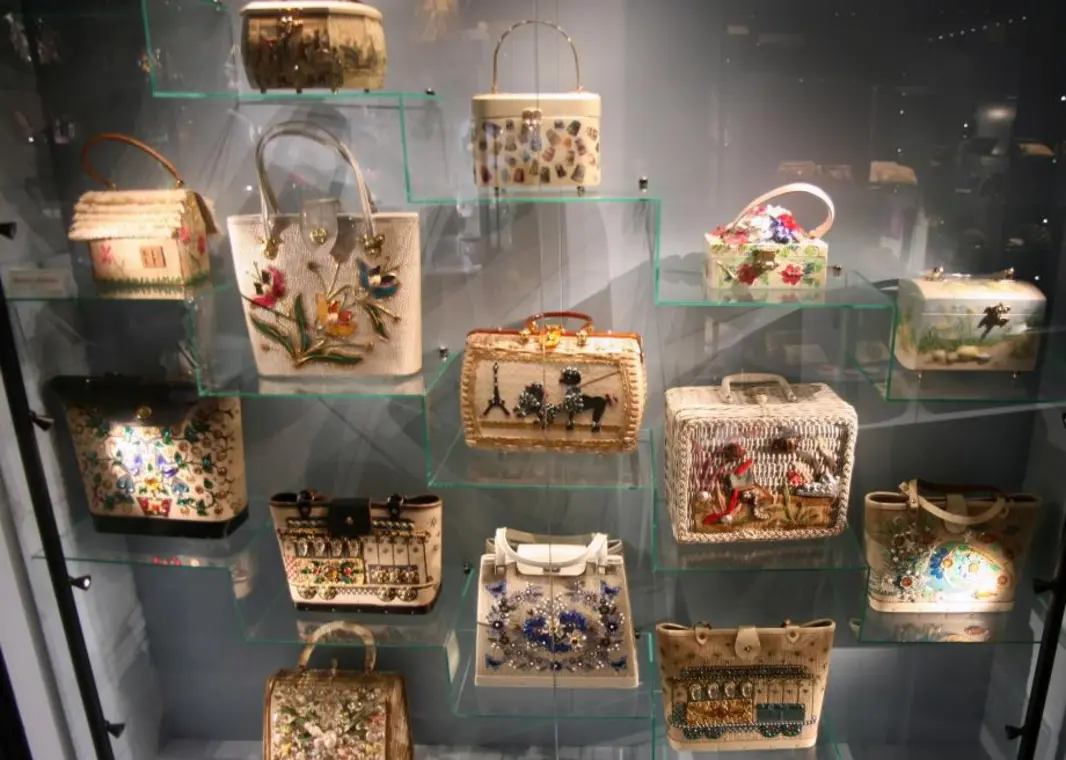
The Origin and Early Use of Handbags
Handbags today are seen as essential accessories, but their roots are grounded in practical needs. The history of handbags stretches back thousands of years, showing how humans have always needed ways to carry essentials.
Practical Beginnings: Ancient Civilizations
Early bags arose out of necessity. As far back as 5,000 years ago, people created simple pouches to carry items on their travels. The oldest known example is the pouch found with Ötzi the Iceman, dating to around 3,300 BCE. Crafted from animal hide, it was designed to hold daily necessities.
Handbags are also seen in other ancient societies:
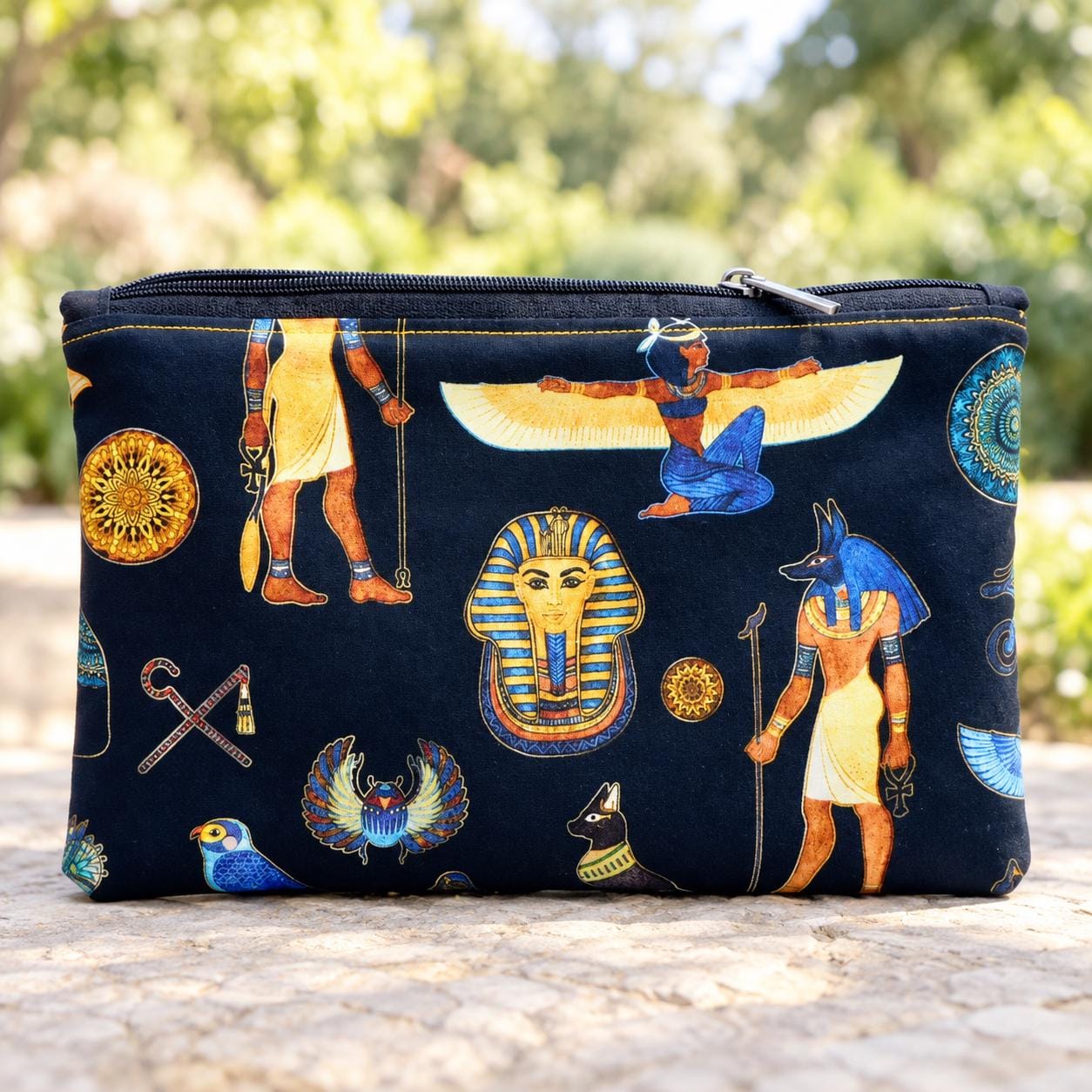
- Egypt: Hieroglyphs and tomb finds reveal that men and women both carried small pouches tied to their waists. These were used for money, food, and tools.
- Mesopotamia, Greece, Rome: Similar bags made from leather or woven materials were common for carrying coins, amulets, or small objects.
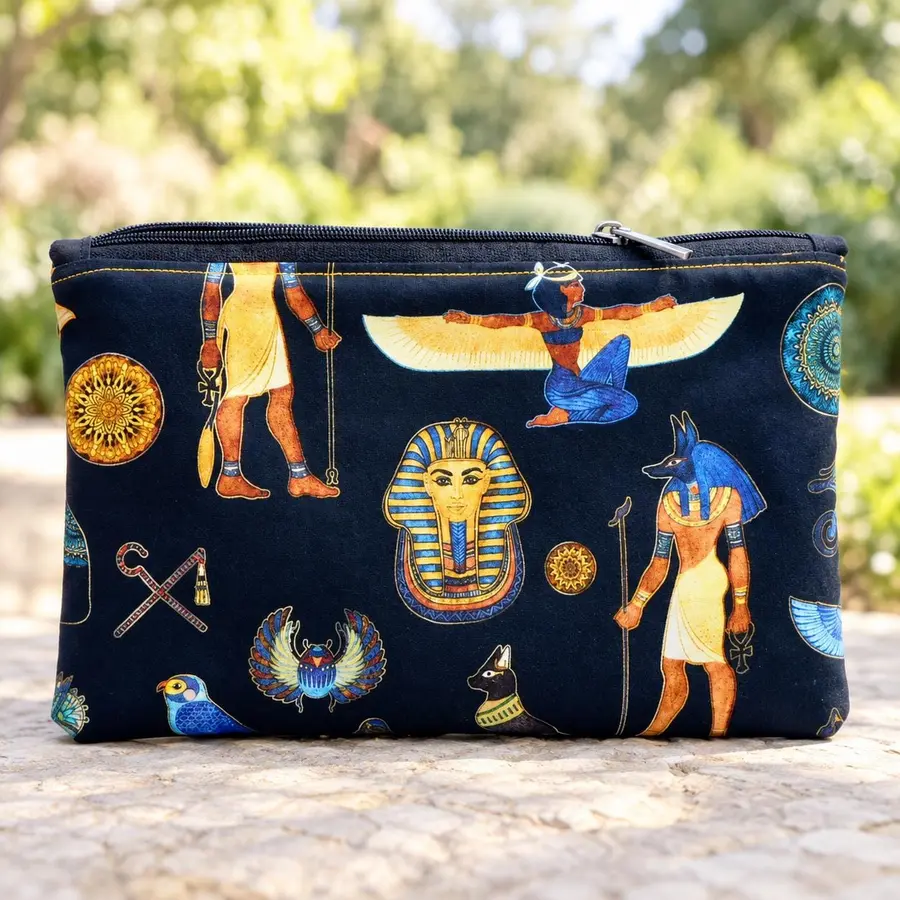
Image source: i.etsystatic.com
The earliest bags were unisex, as clothing did not have built-in pockets. Portability and convenience came first, not style. Even gods and high-status figures are depicted in art with pouches for containing valuables.
Middle Ages: Bags Gain Social Meaning
By the medieval period, bags started to reflect not only function but also social status. As metal coins spread, people needed to carry their wealth securely. This led to:
- Coin Pouches: Hung from belts, often called girdle pouches, used by both men and women. Some were plain leather; others, especially for the wealthy, were decorated with embroidery or precious materials.
- Alms Purses: Small bags carried by the devout to give coins to the poor, a widespread practice in Europe.
- Pilgrims’ Bags (Scrips): Larger satchels used by travelers and pilgrims for journeys to holy sites.
During this era, decorated bags became indicators of status. Nobility and merchants started commissioning custom pouches adorned with intricate needlework, beads, and even gemstones.
Early Embellishments: Embroidery and Textiles
The introduction of embroidery and luxury materials marked a shift in handbag history. In the Middle Ages and Renaissance:
- Wealthy owners had bags made from silk, brocade, or velvet, often with elaborate embroidery. These showcased the skills of artisans and the owner’s wealth.
- The oldest surviving metal-style bag, the “Courtauld bag,” features delicate metalwork with inlays and is an example of the era’s combination of function with decoration.
Not only materials but techniques reflected local culture. In China, for instance, embroidery had deep symbolic value, with motifs like dragons or flowers, though these were mainly seen on other accessories rather than early hand pouches. As cross-cultural trade expanded along the Silk Road, Chinese silk and embroidery further influenced European notions of luxury in textile crafts for bags.
Handbags and Fashion: Changes from the Renaissance Onward
As society and dress evolved, so did handbags. The development of pockets in men’s clothing in late Renaissance Europe meant men gradually stopped carrying external bags. For women, though, handbags became even more important—eventually turning into personal, portable storage and fashion statements.
16th–18th Centuries: Shift to Women’s Accessory
- Thigh Pockets: As women’s skirts became wide and voluminous in the 17th and 18th centuries, bags were often worn tied under dresses at the hips. These hidden “thigh pockets” held personal items securely.
- Chatelaines: Decorative hooks or clasps from which women hung essential items—keys, scissors, purses—around the waist. Chatelaines combined practicality with visible display, often acting as both utility and jewelry.
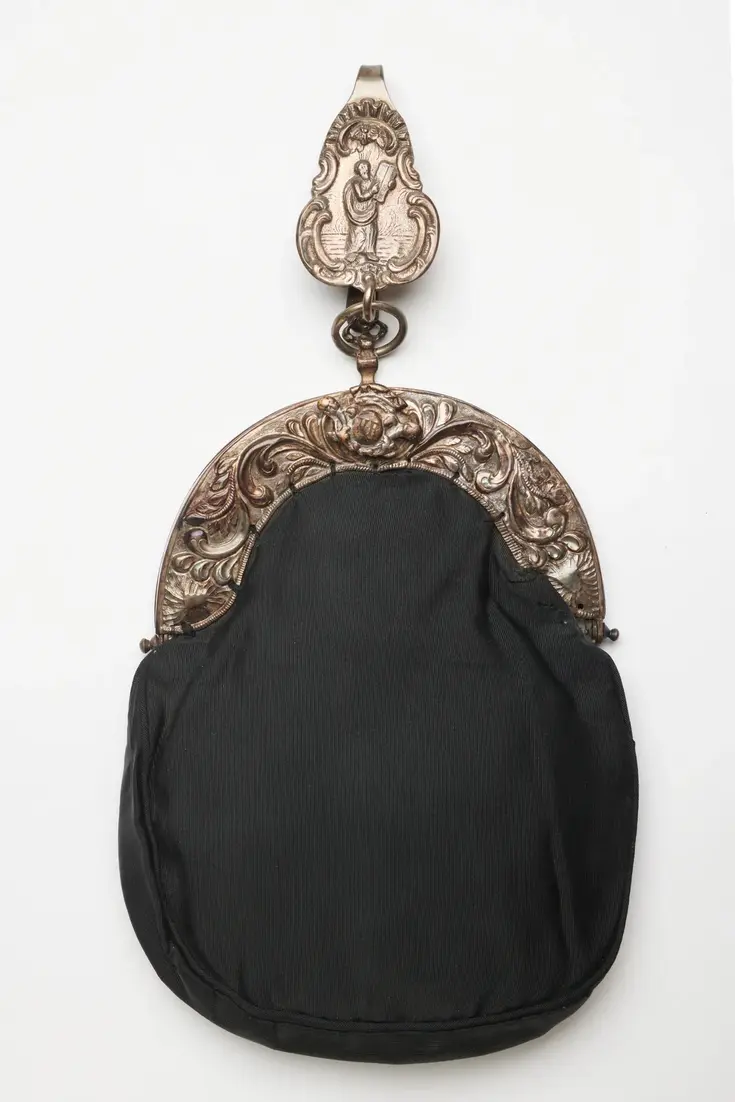
Image source: media.londonmuseum.org.uk
- As fashion shifted to slim empire-waisted dresses at the end of the 18th century, under-dress pockets became impractical. Women turned to carrying small, delicate “reticules”—bags with drawstrings, often embroidered or beaded, held in the hand or on the wrist. The reticule marked the true arrival of the handbag, distinct from the earlier waist-mounted pouches.
The Industrial Revolution: New Materials and Mass Production
The 19th century brought manufacturing advances that changed bag construction and availability:
- Railways and Travel: People traveled more, creating demand for larger, sturdier luggage and a variety of carry-all bags.
- Materials: Leather manufacturing improved, and metal fasteners such as frames and clasps became common. This era saw the rise of recognizable bag styles: handbags, satchels, carpetbags, and travel bags.
- Design Diversification: Both function and aesthetics guided new designs. Bags began to incorporate mirrors, compartments, and locks. Women had more options, from casual daily bags to fancy evening purses.
20th Century: Handbags as Fashion Statements
Handbags changed dramatically over the course of the 20th century, paralleling rapid shifts in fashion and society.
Early 1900s: A Modern Accessory Takes Shape
With increasing numbers of women working and traveling independently, handbags became more diverse and specialized.
- Bags for daily errands, office life, and formal occasions evolved as women’s roles expanded.
- Luxury brands like Gucci and Louis Vuitton began producing high-quality handbags and luggage, blending status with function.
The Rise of Iconic Designs
- 1920s–1930s: The “clutch” bag, without straps, emerged for evening use. Satchels, totes, and frame bags appeared in new textiles, colors, and shapes.
- Designers started to experiment with materials—metals for frames, plastics, and synthetic textiles.
Post-War Era: Mass Market and “It Bags”
- 1950s: Strict fashion rules meant coordinating bags with outfits. Handbags became symbols of style and status.
- Famous houses launched “it bags”—timeless, instantly recognizable styles. Notable examples include the Chanel 2.55 (introduced in 1955), which remains a staple today.
- 1970s–1990s: Bags changed with popular culture. Unisex backpacks, shoulder bags, and small crossbody purses offered comfort and flexibility. High-end luxury bags, such as the Hermès Birkin, became international symbols.
Recent Decades: Variety and Personal Expression
- 2000s: Large totes and slouchy hobo bags grew popular, as did compact, functional crossbody styles for urban life.
- 2010s: Designers played with scale, structure, and embellishments. The range expanded—mini bags, oversized totes, ultra-luxe limited editions.
- 2020s: Environmentally friendly materials and ethically made bags are increasingly sought after. Simple, functional styles now stand beside decorative, statement-making pieces. While some chase trends, classic shapes rooted in history remain widely used.
How Cultures and Technology Influence Handbags
Handbags have never stood apart from cultural and technological changes:
- Materials: Early bags used what was available—leather, fabric, reeds, and eventually metal, plastic, and synthetics.
- Manufacturing: The introduction of sewing machines, mechanized leather tanning, and synthetic fabrics made bags more accessible.
- Decoration: Motifs, embroidery, beading, and hardware have reflected cultural values, personal taste, and available technology.
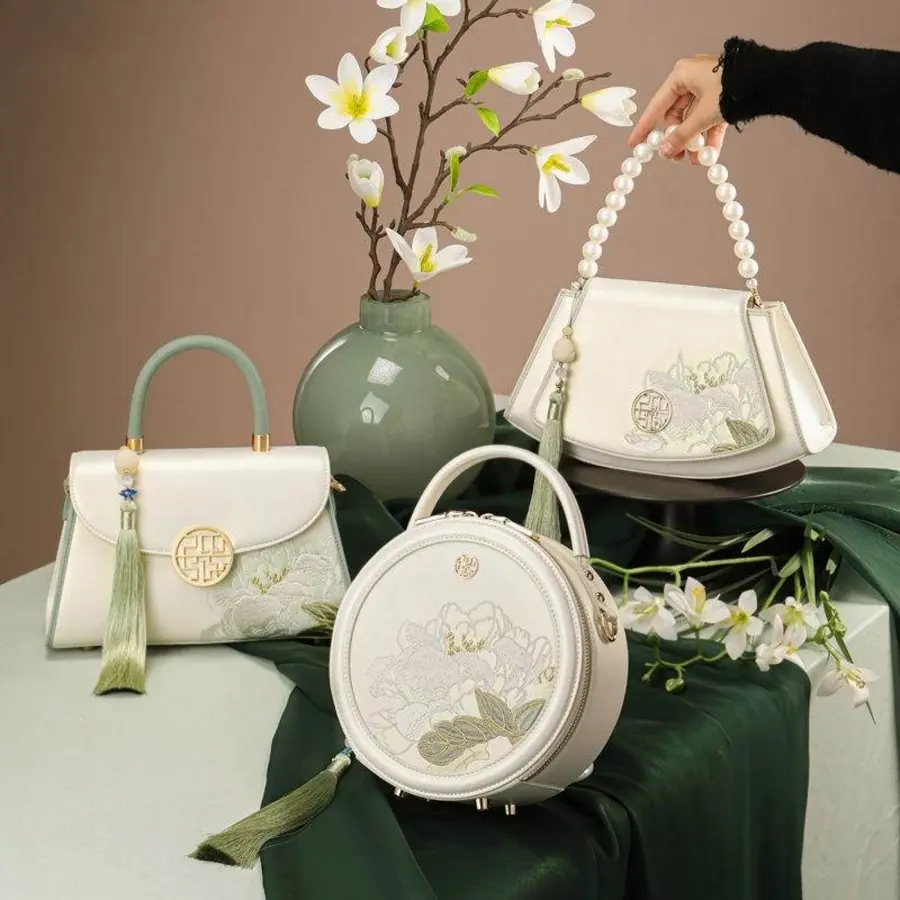
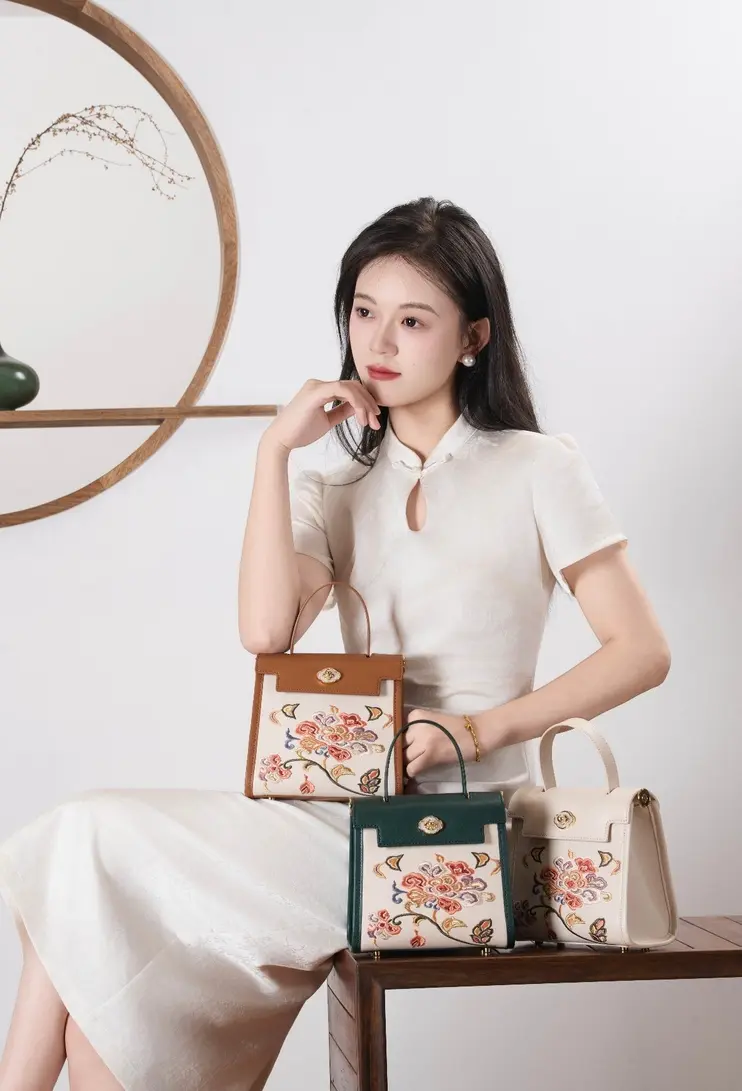
- Chinese Handbag Craftsmanship: Chinese influence remains important, especially in the areas of textile techniques and embroidery. Suzhou embroidery, Song brocade, and silk-thread techniques are still prized in luxury handbag decoration.
The Function and Meaning of the Modern Handbag
Today the handbag is far more than a utilitarian item:
- It serves as a practical carryall for personal belongings—phone, wallet, cosmetics.
- It makes a fashion statement, allowing for self-expression through material, color, shape, and brand.
- For some, it offers collectible value as a status icon. For others, it is a link to history and craftsmanship.
- Advances in sustainability and ethical manufacturing are shaping the next generation of bags.
Key Milestones in the History of Handbags
| Period | Handbag Form/Type | Typical Materials | Cultural Significance |
|---|---|---|---|
| Ancient (before 1000) | Waist pouch, satchel | Leather, linen | Utility for carrying essentials |
| Middle Ages | Girdle pouch, alms bag | Silk, velvet, leather | Status symbol, religious or personal use |
| 16th–18th centuries | Thigh pocket, reticule | Brocade, stitching | Gender separation, rise of visible hand bag |
| Industrial Revolution | Portmanteau, satchel | Leather, metal frame | Travel, mass production |
| 20th century | Tote, clutch, “It bag” | Leather, plastics | Fashion icon, status symbol |
Conclusion
The history of handbags reveals more than changing shapes and materials—it’s a story of human needs, culture, and creativity. Handbags started as simple pouches and grew into an everyday necessity that reflects individual style and social trends. Through every era, the best bags balance practicality, craftsmanship, and personal meaning.